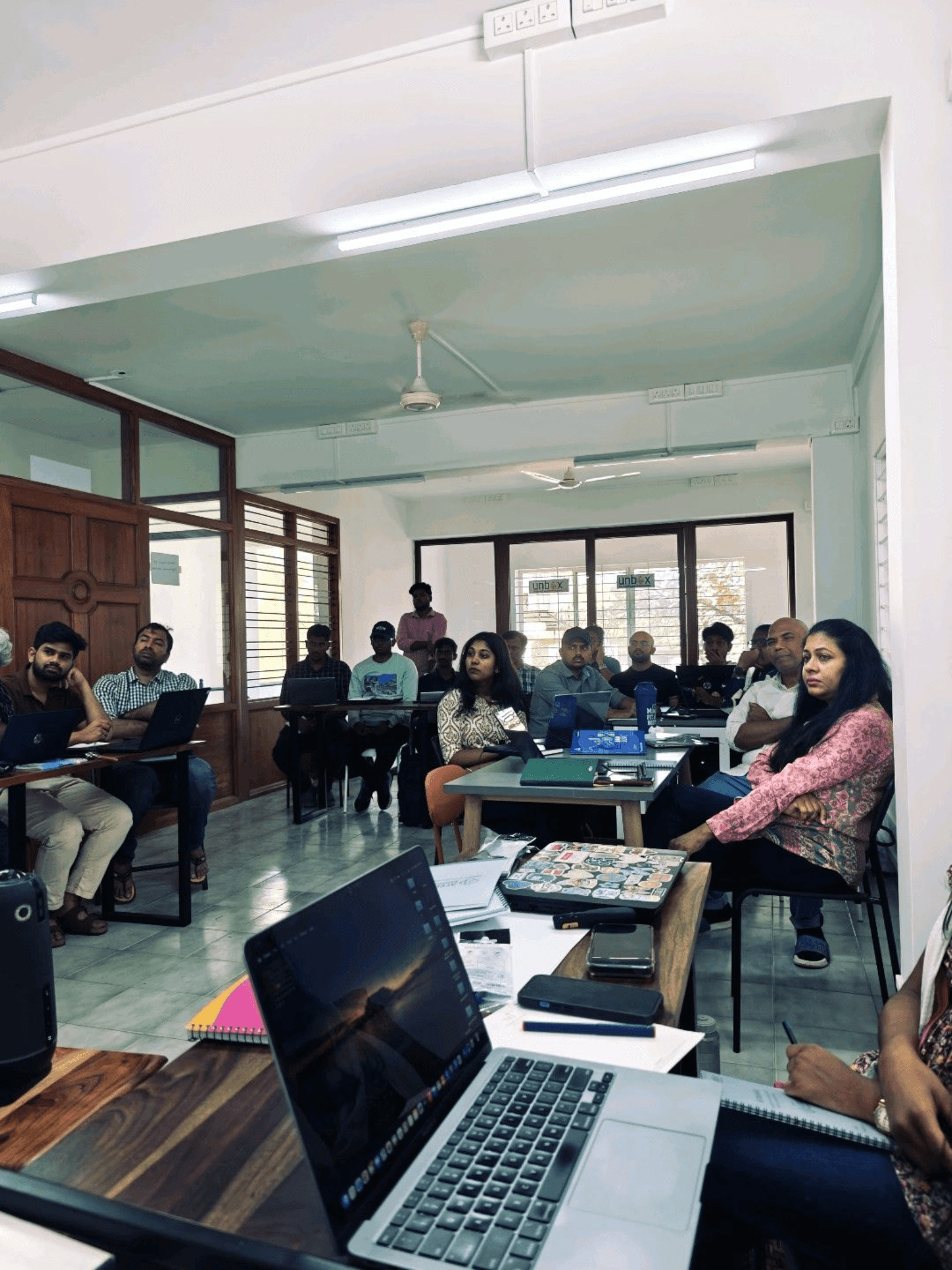

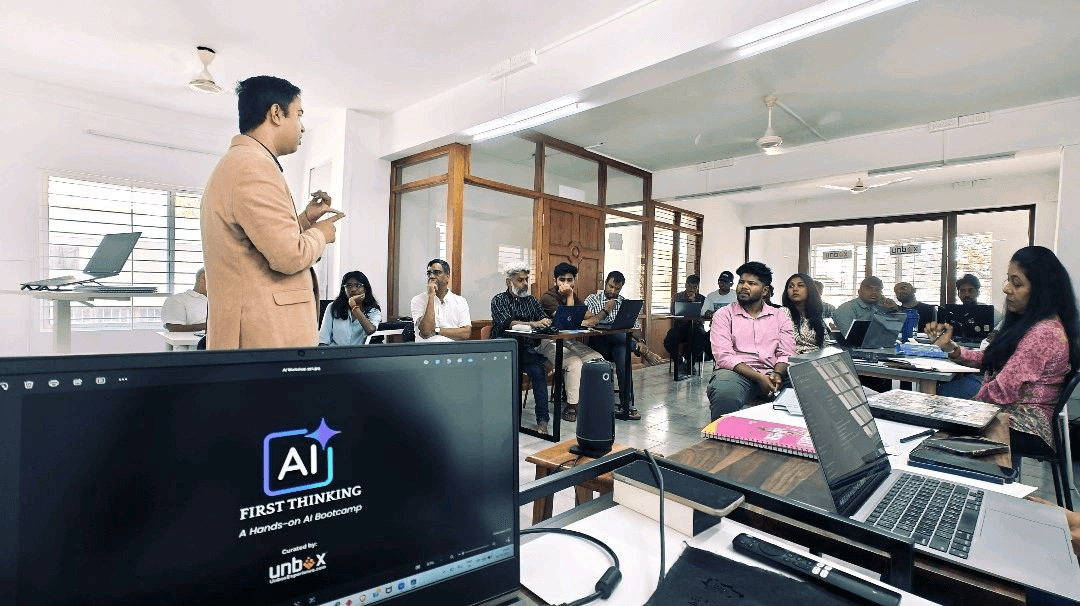
I recently spent a day with the team at Unbox Experience.
They do interesting work. A lot of it sits at the intersection of storytelling, design thinking, and working closely with leadership teams. The kind of work where you are constantly dealing with people, not just systems.
This was not a room that needed convincing about change.
Saveen, the founder, was already thinking deeply about AI. Curious, hands-on, and trying to understand what this shift could actually mean for his team.
Not resistance, just a spread
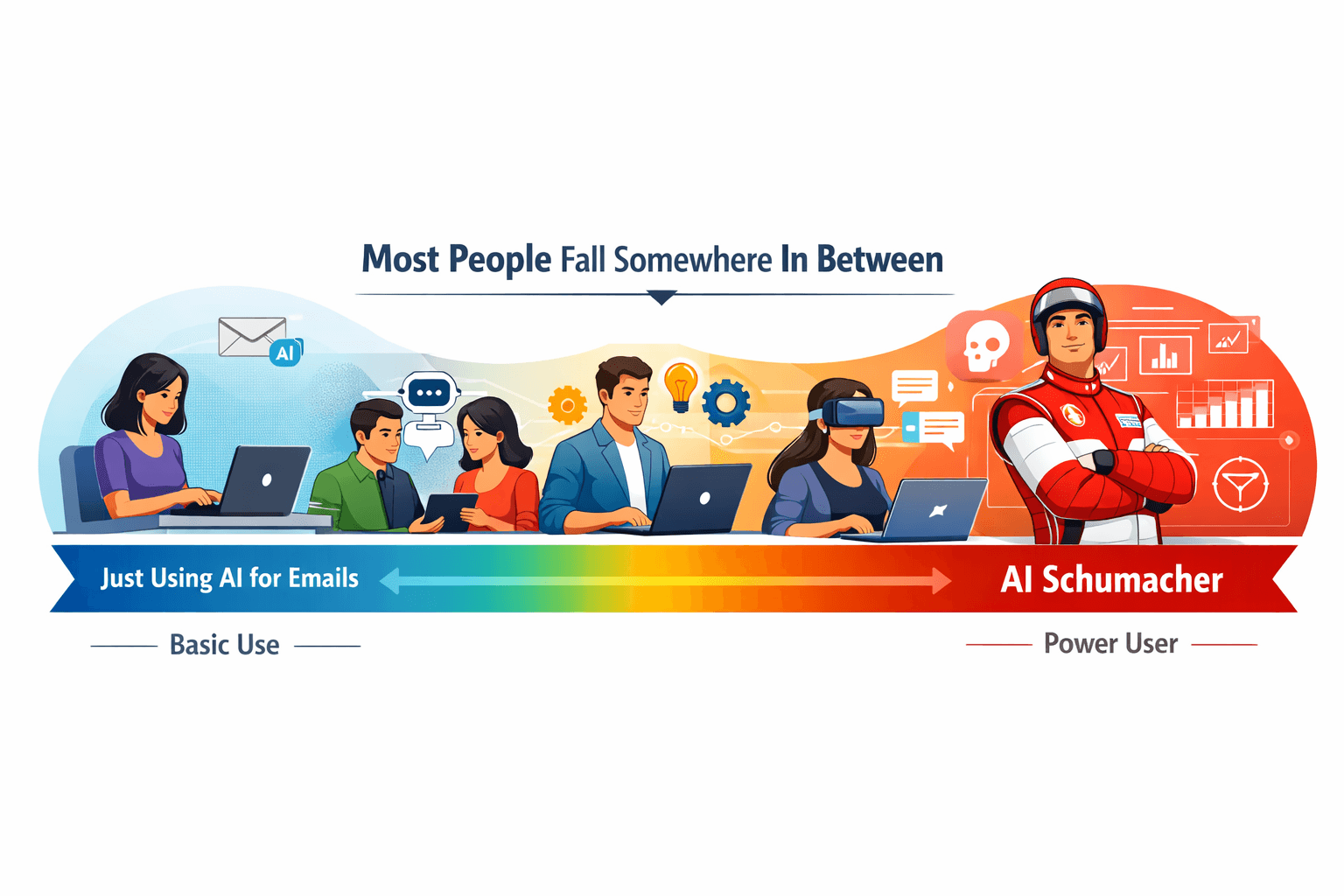
Before the workshop, I tried to understand where everyone stood. What I saw was something I'm starting to notice more often now. Not resistance. Just a spread.
A few people were already going quite deep with AI, trying different things, figuring it out on their own. Most people were using it in a limited way: writing emails, cleaning up text, small things.
And that gap matters more than it looks. Because when a team sits at different levels like this, the work does not move evenly. Some people move faster. Others stay where they are. And the team never quite finds a rhythm.
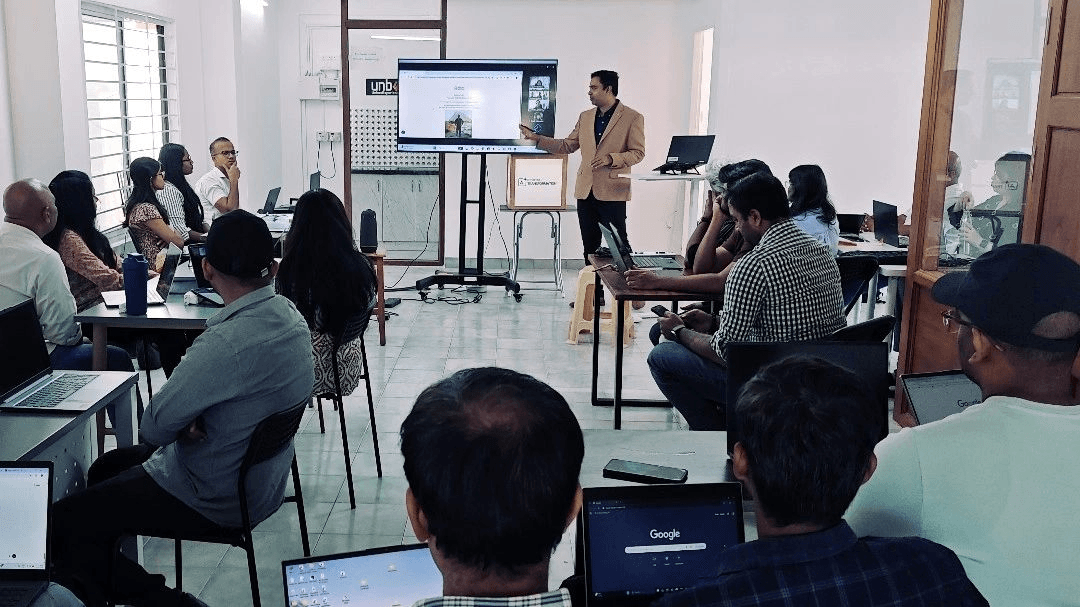
So the goal for the session was simple. Not to teach everything. Just to bring everyone to a point where they can work with AI in a more deliberate way. A shared starting point.
The room had people from across functions: marketing, sales, program design, communications. Which meant one thing: if something worked here, it would likely work anywhere.
Small shifts first
We started with small shifts. How you think about AI depending on the task. How you ask for things. How you avoid vague instructions. Nothing complicated. But it changes how you use it.
Then we moved into their actual work. People started breaking down what they do day to day. Where time goes. What feels repetitive. What requires thinking effort.
From there, the conversations became more concrete. Each group came up with a handful of ways they could start using AI in their work.
Not ideas for later. Things they could try the next day.
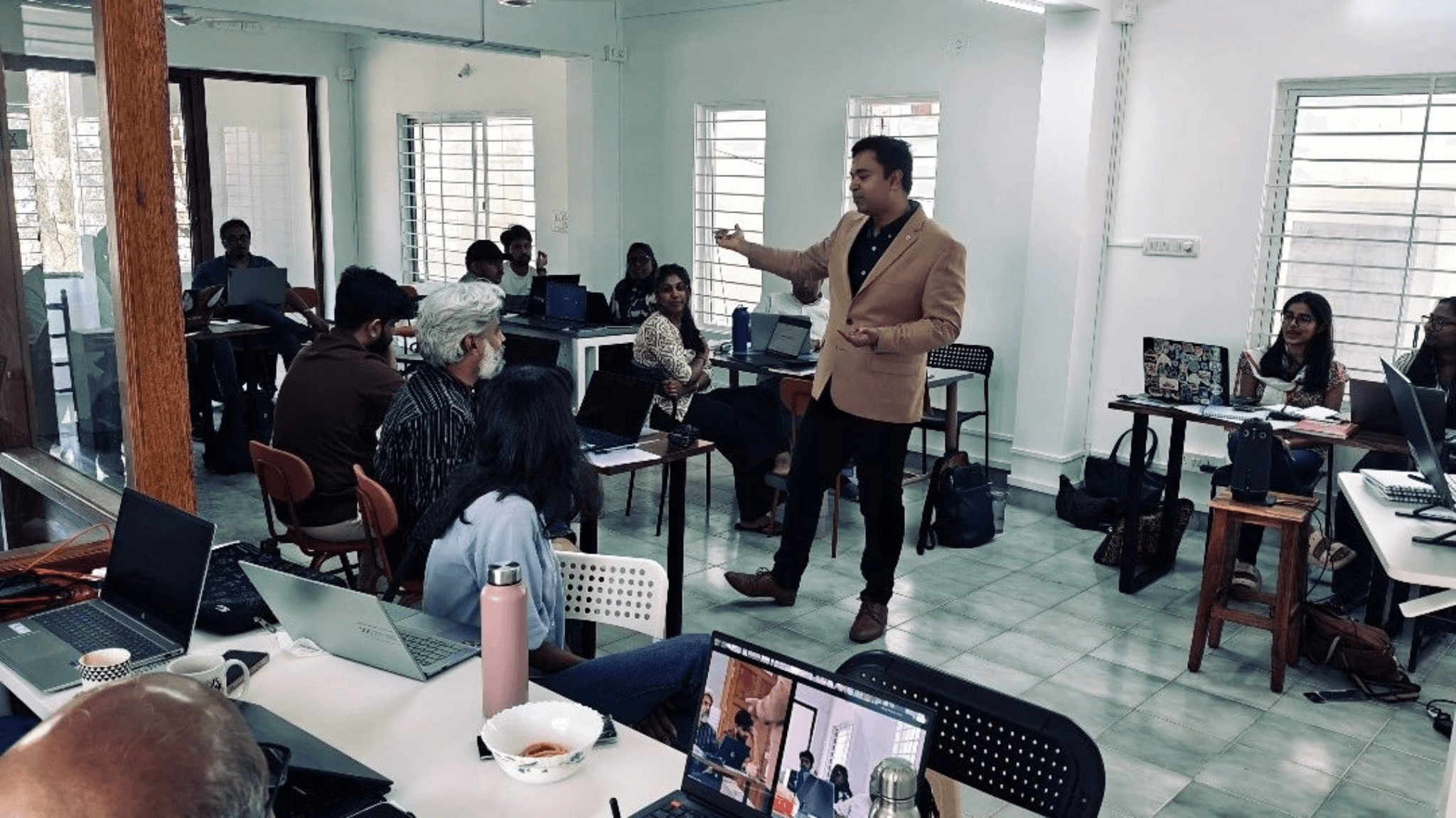
Some teams even started shaping early versions of how they might standardise this. Not formally, but enough to bring some direction into how they use AI. That felt like a shift.
The moment it clicks
There was one part I always look forward to: showing what others are doing. Not in a flashy way. Just real examples.
That usually changes the room. Because people don't struggle with using AI. They struggle with imagining what is possible in their own context.
“The moment they see a relevant example, something clicks.”
You could see that happening. People leaning in. Connecting ideas. Building on each other's thoughts.
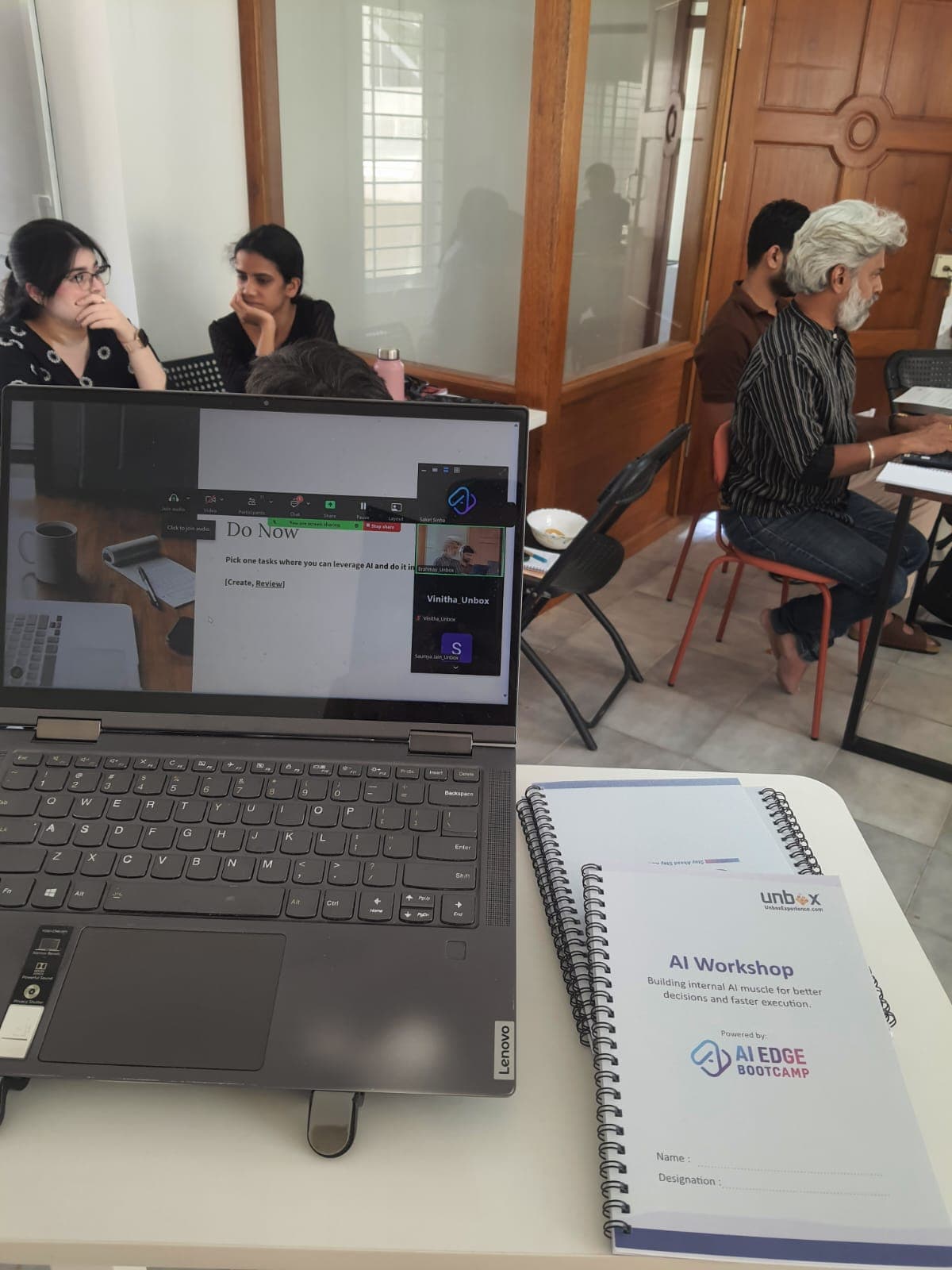
The session was planned for four hours. We went on for more than five. No one was in a hurry to leave.
The questions became sharper towards the end. More specific. More grounded in their own work. That is usually a good sign.
At the end, they handed out certificates. Simple thing, but nicely done. It showed intent.
Working with Saveen
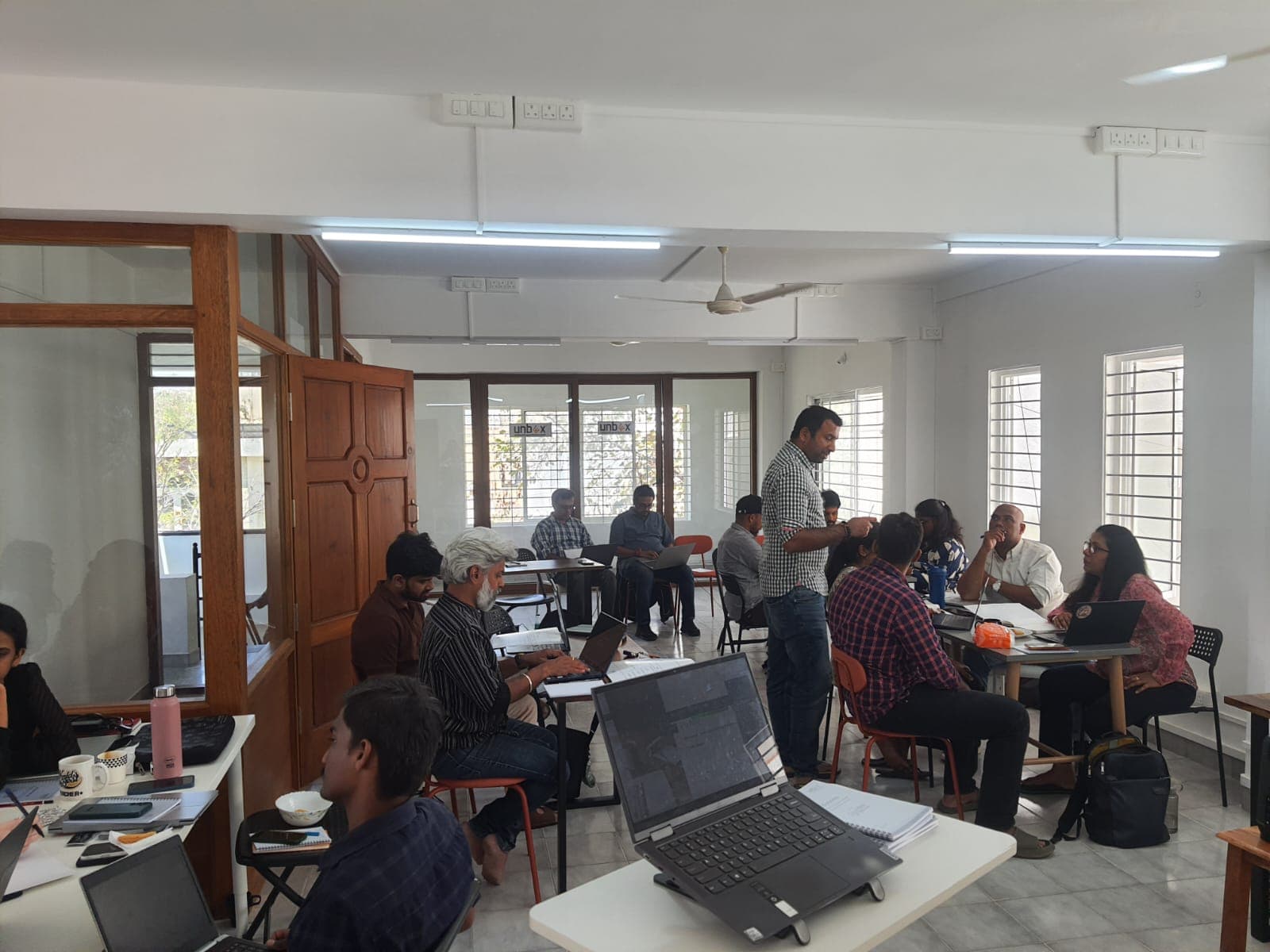
Working with Saveen stood out. He had already thought through what he wanted the team to get out of this. Even prepared a set of tasks for them before the session. That kind of preparation changes how a room shows up.
The takeaway
I kept thinking about one thing after I left.
Most teams are already using AI in some form. But it is scattered. And scattered use does not change much.
The shift happens when people start working in a slightly more aligned way. Not perfect. Just aligned enough.
If you're running a team, that is probably the question to ask. Not whether people are using AI. But whether they are using it in a way that actually shows up in how the team works.