I had planned this as a simple one-day trip.
Early morning flight from Bangalore to Pune. Workshop through the day. Flight back home the same night.
I've done this enough times for it to feel routine. This one was not.
This workshop came from an earlier session I had done in Bangalore for a group of Chief of Staff professionals. One of the participants had travelled from Pune to attend. We stayed in touch, and a few conversations later, we had planned a full-day workshop with the team at Infinite Uptime.
They had people flying in from different locations. India, Middle East, Singapore. The session mattered.
A diverted landing
My day started at 3 a.m. I reached the airport, took the 5 a.m. flight, and by around 7 a.m., we were approaching Pune.
From the window, I could see the city.
And then we didn't land.
The pilot announced low visibility. We circled once. Then again. Then again. After a few attempts, the call was made. We were heading to Hyderabad.
“You know there's a room full of people waiting. You know the day has been planned. And there's nothing you can do about it.”
At Hyderabad, we started figuring out options. Could I get off here and do something online? Could we delay the session? Move it to another day?
We spoke to their team. They were calm about it. Practical.
And then, just as we were settling into the idea of a delay, we got another announcement: we were heading back to Pune. We finally landed around 11 a.m.
No time to pause. Straight from the airport to the venue. Changed quickly. Got into a cab. Reached the Orchid Hotel around 1 p.m. By then, everyone had already been there for hours.
And this is the part that stood out.
They chose to stay.
Instead of pushing it to another day, they extended their schedules. Adjusted the day. Made space for the session. That kind of intent is rare.
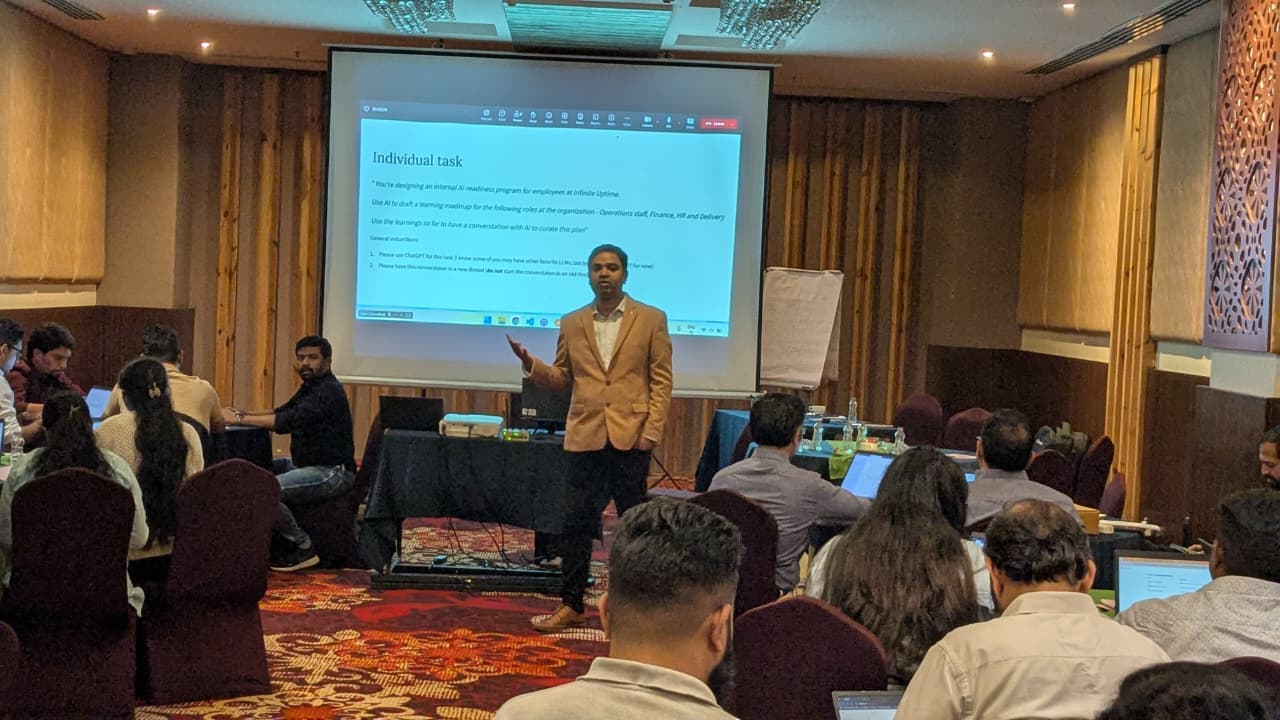
Starting at 1 p.m.
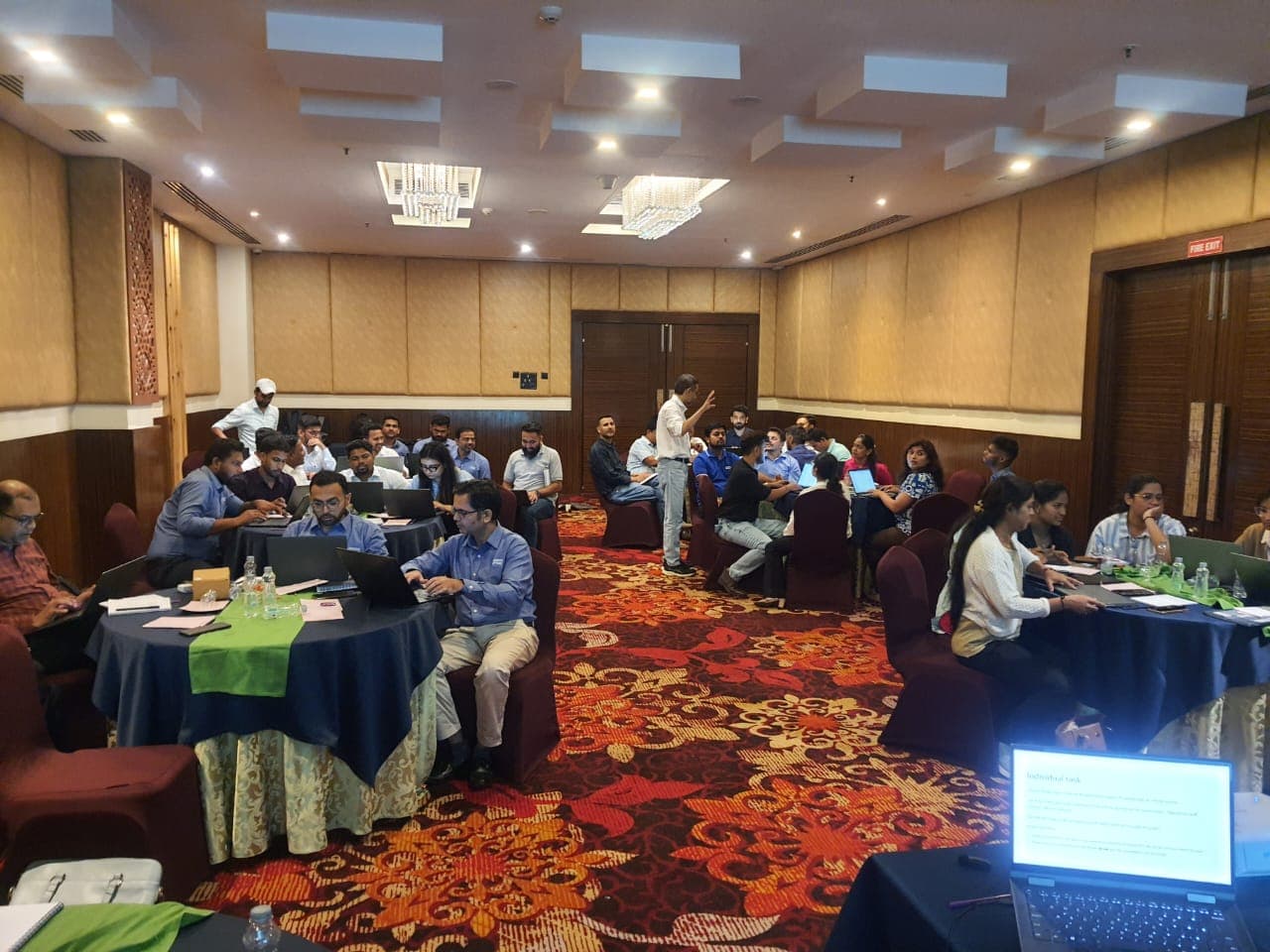
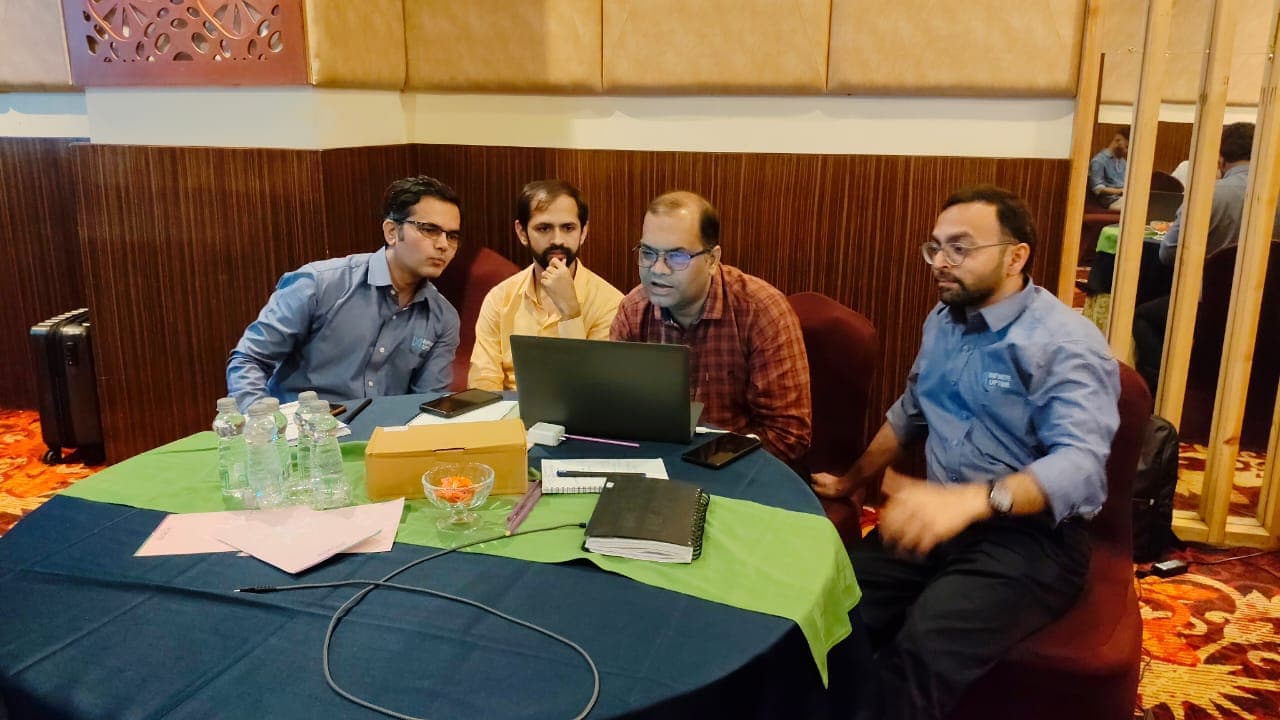
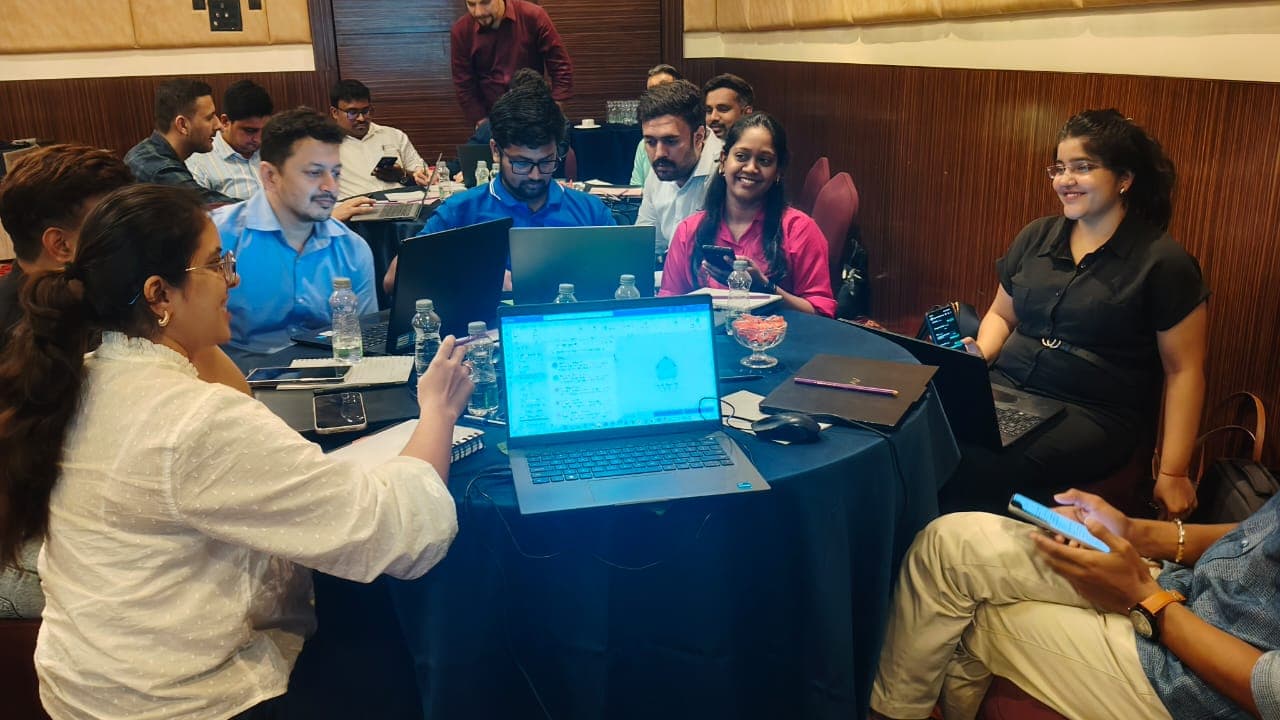
We started at 1 p.m. Late, but with full attention in the room.
The first part of the session was simple: understand how they were already using AI, then make small shifts in how they approach it.
Within the first half hour, you could see the difference. Same tasks. Better outputs. That immediate feedback loop always sets the tone.
From there, the conversation moved into structure. Different teams had different kinds of work. Different expectations. Different levels of comfort with AI.
The question was not “how to use AI.” It was “how do we work with AI in a way that is consistent across the team?”
That's where I introduced the 4C framework, a simple way to approach tasks with more clarity and direction. It gave people a handle. Something they could go back to.
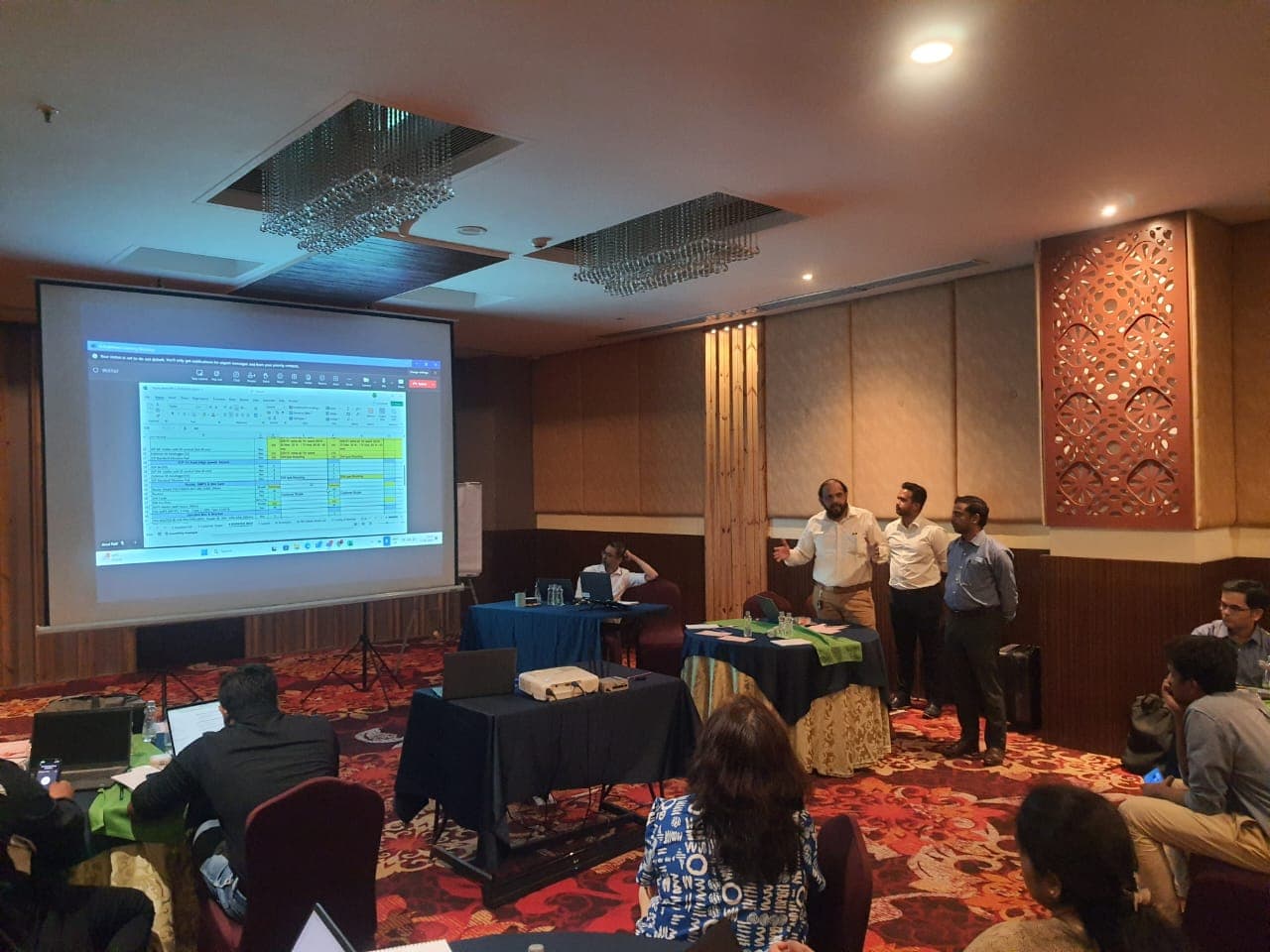
Then came a concern I hear often, especially from teams that work closely with data.
“How do we trust what AI is telling us?”
So we spent time there. Working with actual data. Testing responses. Understanding where things go wrong and how to catch it. Not theory. Just practice.
The afternoon
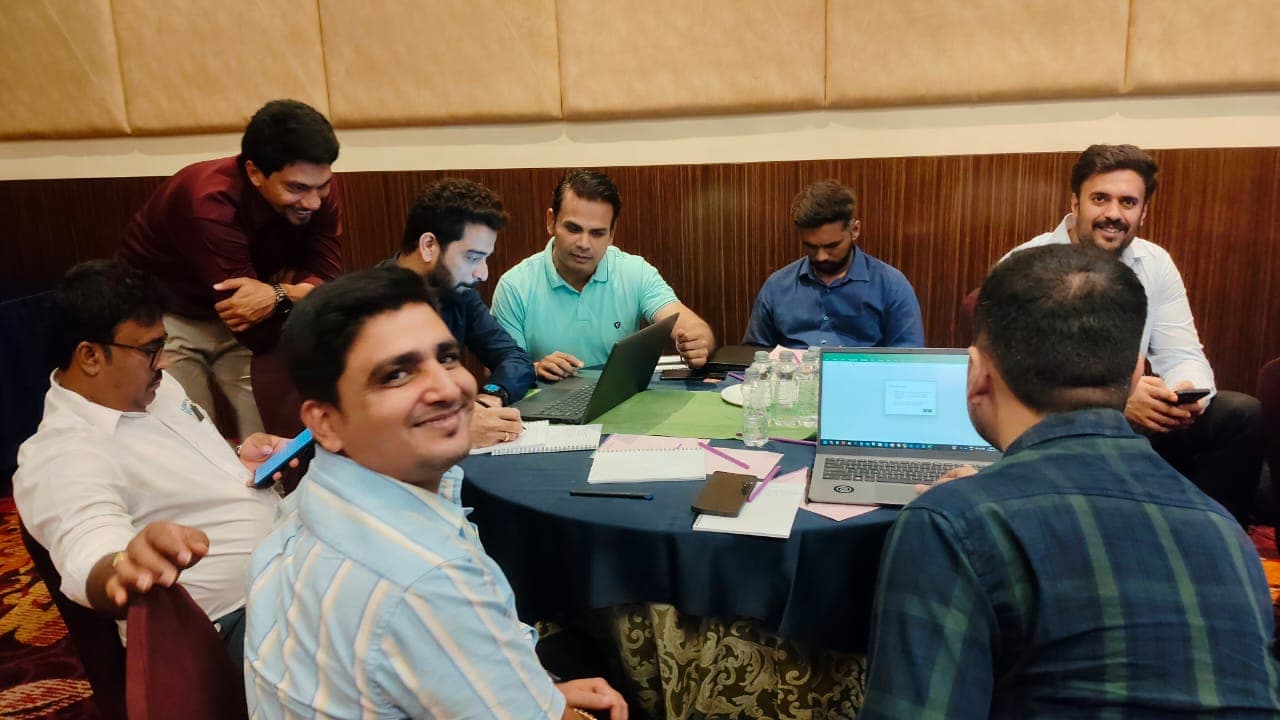
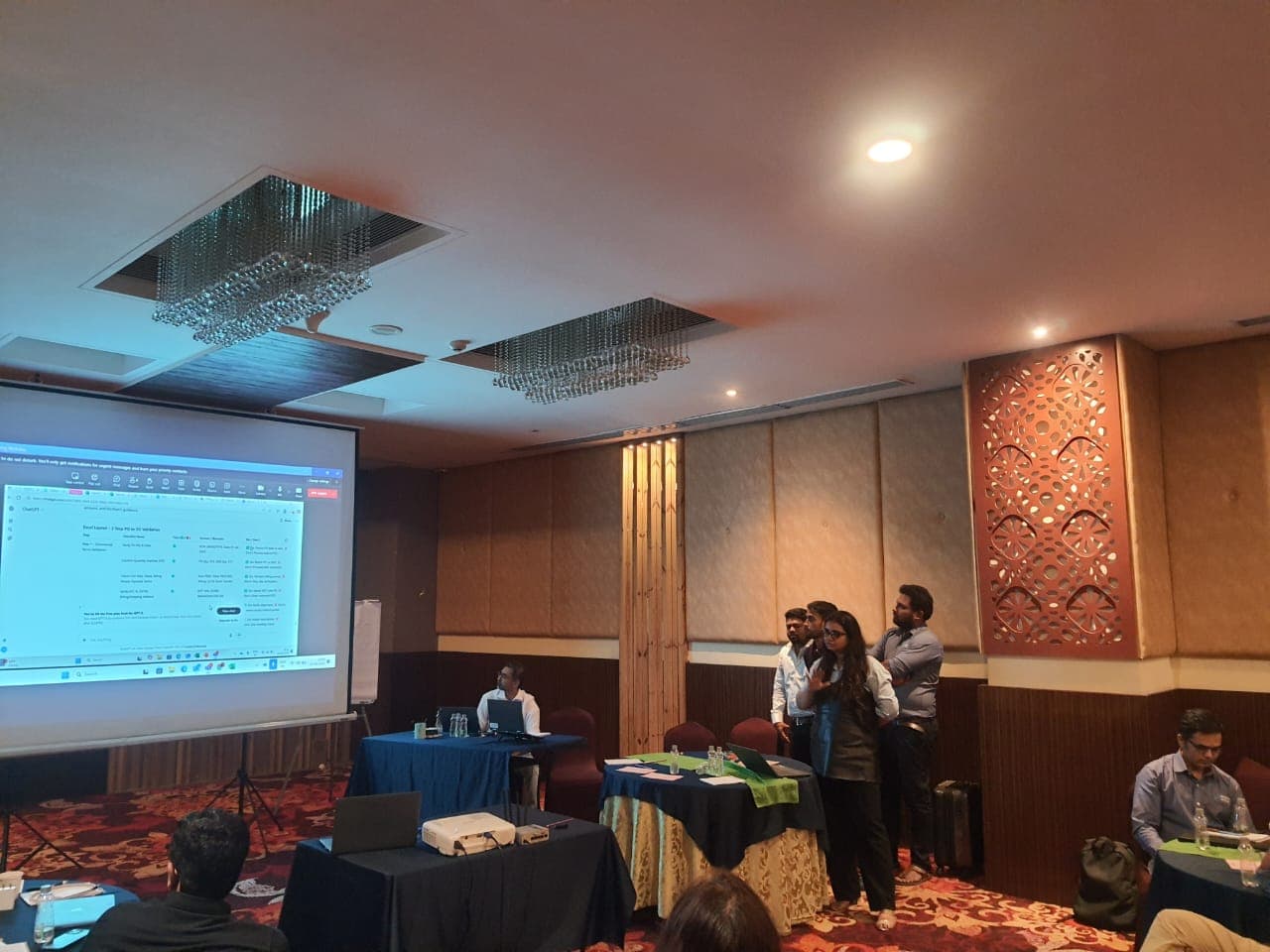
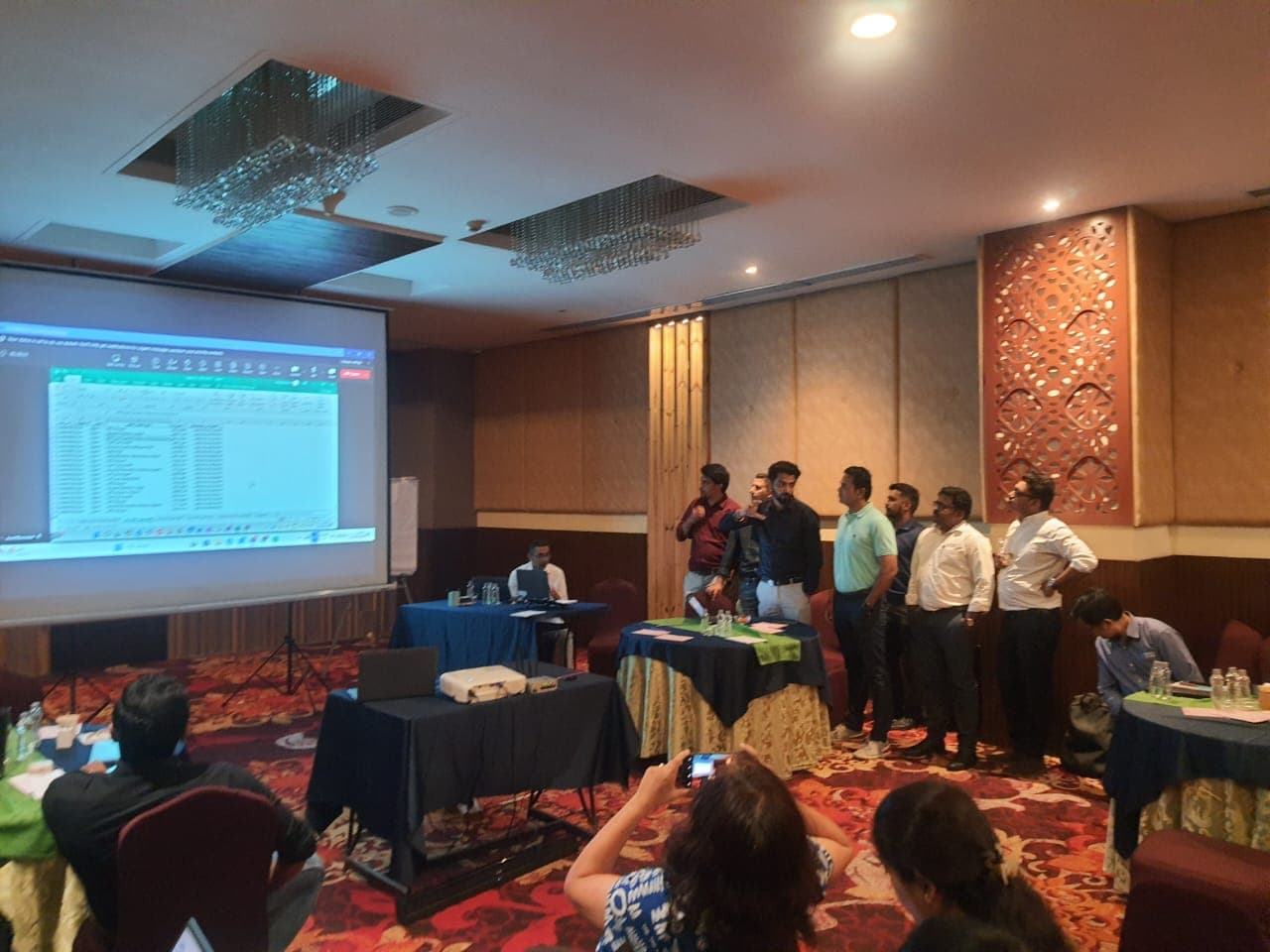
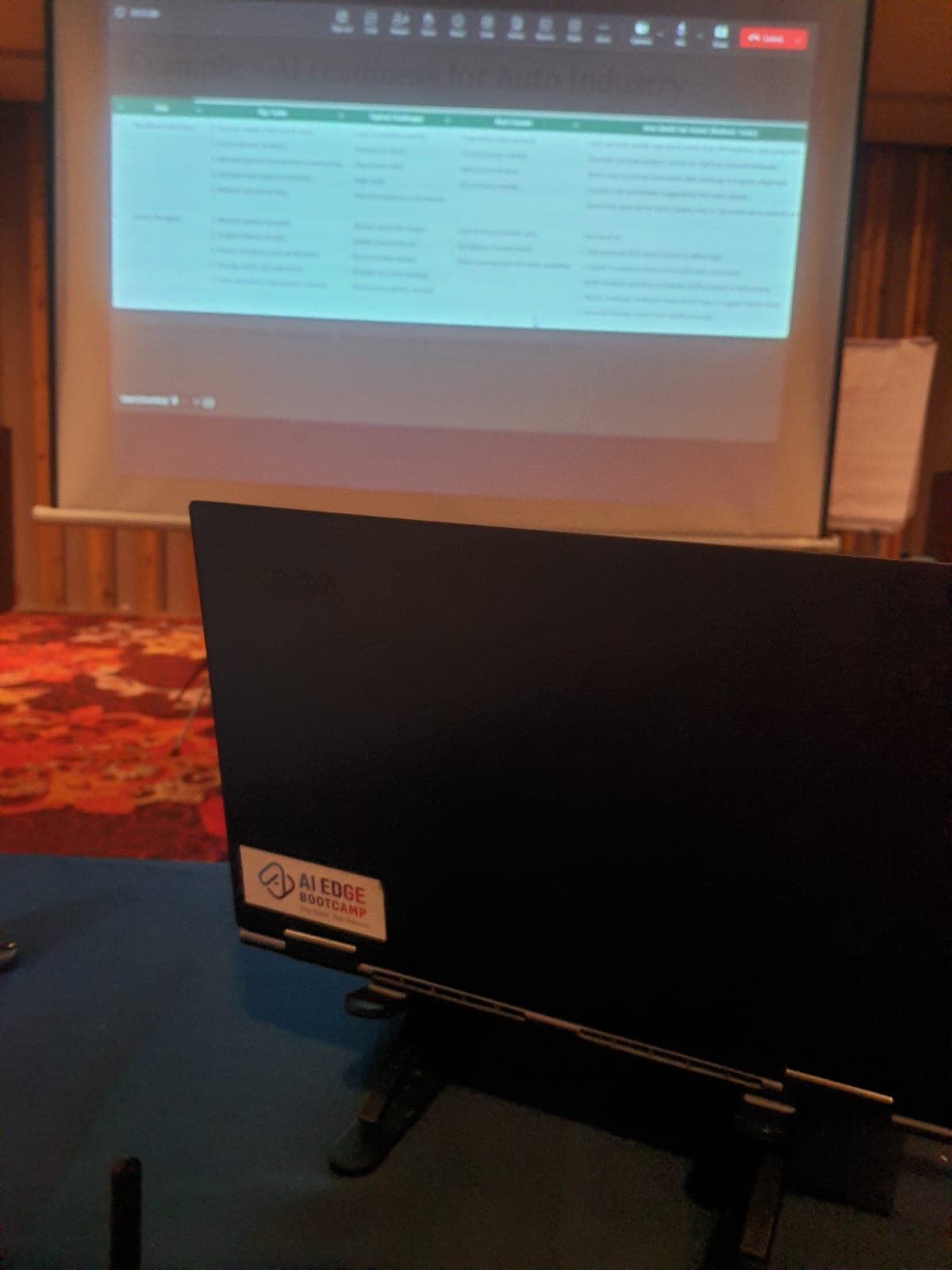
The second half of the day shifted gears. People picked tasks from their own work. Built on top of what we had discussed. Tried things out. And then came up and shared what they had done.
That's the difference a full-day session makes. You don't just leave with ideas. You leave having tried something.
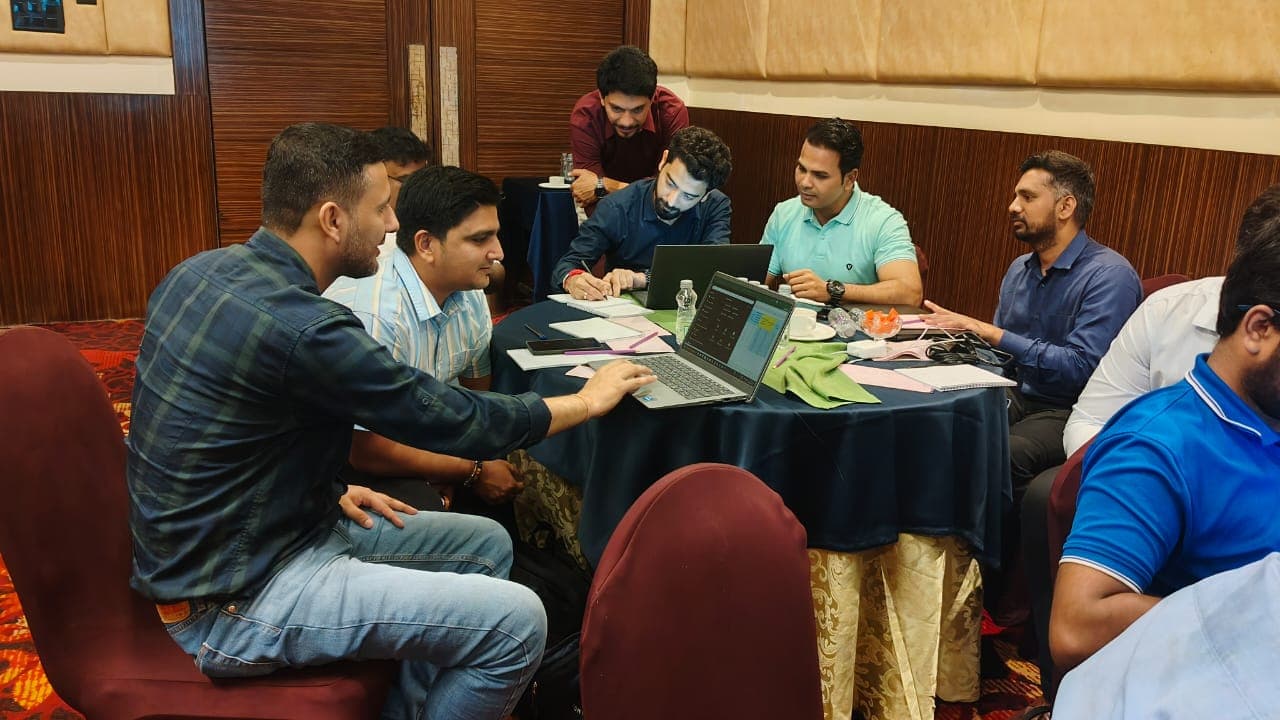
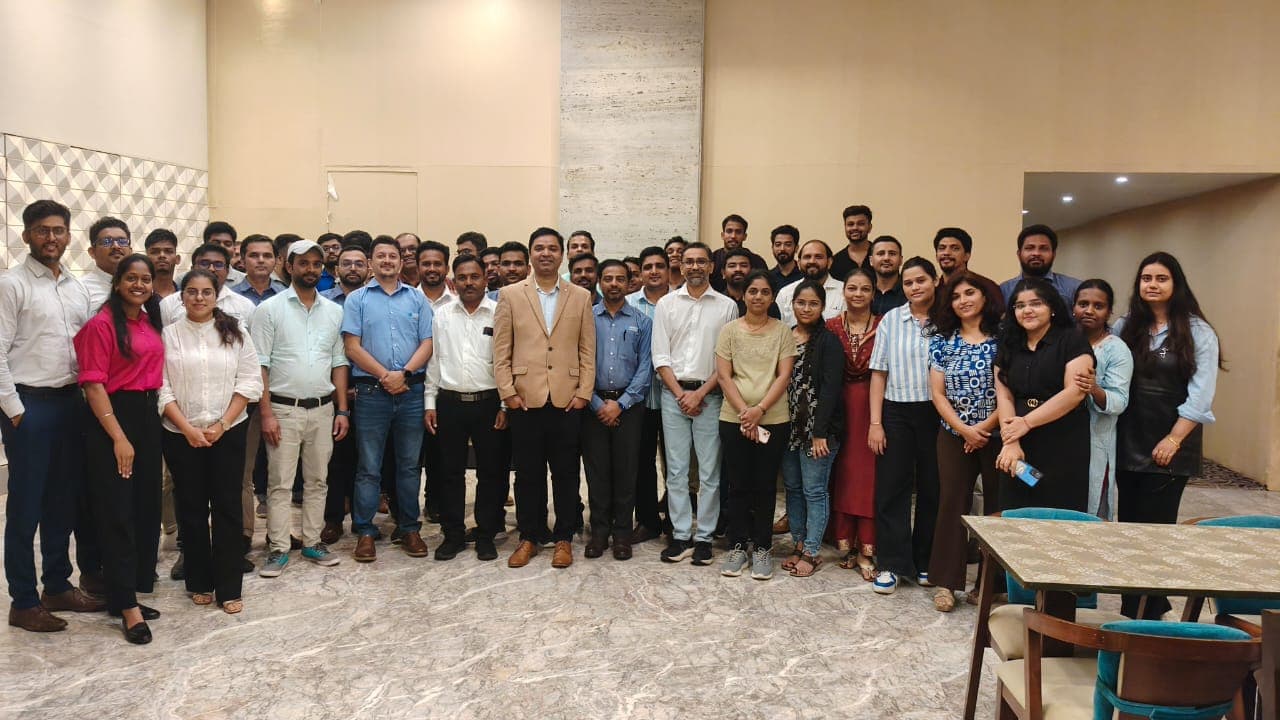
By the end of it, the room felt different. More clarity. More direction. Less hesitation. For a team that works deeply with sensors and data, this was a new layer to think about.
On the flight back
Looking back, the workshop almost didn't happen. And yet, it did, because a group of people decided it was worth making it happen.
If there's one thing I took away from that day, it's this.
“AI adoption is not about tools. It's about intent.”
You can plan everything perfectly and still have things go off track. What matters is whether the people in the room are willing to adapt and still show up.
If you're working with teams today, that's the real question. Not whether they have access to AI. But whether they are ready to engage with it seriously.